My reading list (2026)
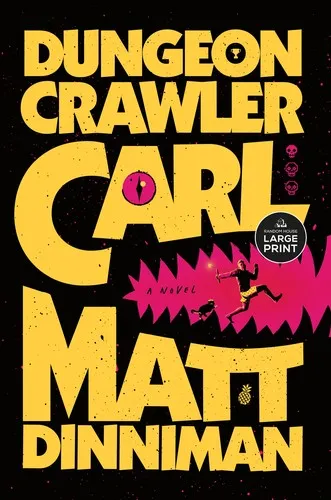
2026 is shaping up around Joe Abercrombie. The First Law trilogy has been the throughline, now finished end to end (The Blade Itself, Before They Are Hanged, and Last Argument of Kings), and they’re as grim and funny as the reputation promised. A Robert Jordan detour via The Eye of the World, The Great Hunt, The Dragon Reborn, and the New Spring prequel kept the fantasy shelf busy, and Matt Dinniman’s Dungeon Crawler Carl kicked off a new series.
Outside the epic fantasy, the reading’s been all over: Joe Simpson’s mountaineering nightmare Touching the Void, Ted Chiang’s Stories of Your Life and Others (the source behind the film Arrival), Huxley’s Brave New World, Harari’s Sapiens, Rufi Thorpe’s Margo’s Got Money Troubles, Richard Beard’s grating Sad Little Men, R.F. Kuang’s Katabasis, Prince Harry’s memoir Spare, Muhammad Yunus’s Banker to the Poor, Patrick Radden Keefe’s Say Nothing, a gripping account of the Troubles built around the disappearance of Jean McConville, and James Joyce’s Dubliners, fifteen quietly devastating stories of a city stuck in place.
So far: 28 books against a target of 30. More to come.
Feel free to browse my wishlist.
Completed
Ye olde Dublin, fifteen stories about people who never quite manage to leave. Joyce called it a chapter in the moral history of his country and the theme running through all of it is paralysis: lives stalled halfway, decisions never made, the same streets walked again and again. Some of the character studies are genuinely superb. Eveline frozen at the railing, unable to board the boat. The boy in Araby arriving to find the bazaar is just a market closing up. Gabriel Conroy at the end of The Dead, discovering his wife has carried a dead boy in her heart the whole of their marriage, and realising how small a part of her life he actually occupies. Glad I read it, and I can see exactly why it sits where it does in the canon. It’s not one I’d ever return to though. Admired more than enjoyed.
“His soul swooned slowly as he heard the snow falling faintly through the universe and faintly falling, like the descent of their last end, upon all the living and the dead.”
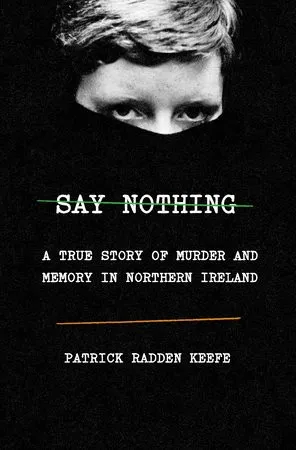
Say Nothing - Patrick Radden Keefe
A vivid account of the Troubles and the people who fought them, hung on the 1972 disappearance of Jean McConville, a widowed mother of ten taken from her flat in Divis and not found for thirty years. Keefe uses that one killing as the thread and follows it out into everything else: Dolours and Marian Price and the bombing campaign in London, Brendan Hughes and the hunger strikes, Gerry Adams and the denials that have never stopped, and the Boston College tapes that were only ever meant to be opened after the participants died. What makes it work is that he doesn’t flatten anyone into a villain. You get the true believers as young people first, and then you watch what the decades do to them, and what the peace process asks them to swallow. The final chapters, working out who actually pulled the trigger, are as tense as any thriller.
Great read. Looking forward to watching the series.

Magician: Master - Raymond E. Feist
The better half of the pair. Master is where Feist stops writing a familiar fantasy opening and starts doing the thing only he was doing at the time: two fully realised worlds, Midkemia and Kelewan, running side by side, with the Tsurani given a real culture rather than being left as a faceless invading horde. Pug’s years as a slave in the swamps and his rise to Great One is the best sequence in either book, and Tomas becoming something not quite human in the Valheru armour is genuinely unsettling.
The scope of Midkemia is enormous, which is what makes it so strange that nobody has ever put it on screen. You have two worlds, a portal war, a magic system with actual rules, and a cast that could carry several seasons without inventing anything. Everything else from that era has been optioned twice over and this has sat untouched.
They hold up. Read them young, read them again, still worth it.
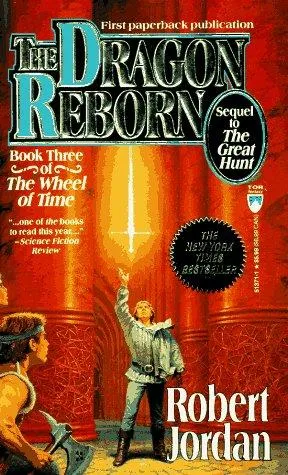
The Dragon Reborn - Robert Jordan
The final time I’ll read this book, and I’ve said that before. Enjoyed it as much as I did the first time round. It’s a comfort read these days, settling back into Jordan’s world like an old blanket: I know every beat coming, and that’s rather the point.
It’s also the book where the series properly becomes itself. Rand is offstage for most of it, which sounds like a flaw and isn’t. Handing the story to Perrin and Mat is what turns The Wheel of Time from one boy’s prophecy into an actual ensemble, and Mat finally becoming Mat here is the single best character turn Jordan ever wrote. The run to Tear and Callandor still lands.
“Duty is heavier than a mountain, death lighter than a feather.”
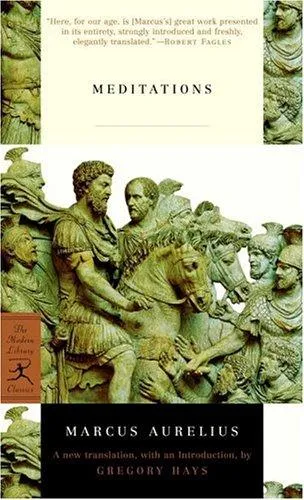
One of my favourite reads this year. What gets me about it is that it was never meant for me, or for anyone. These are the private notebooks of a man who happened to be the most powerful person alive, written to himself in Greek in a camp on the Danube, mostly to talk himself into behaving decently the following morning. There’s no audience being played to, which is why it doesn’t read like philosophy so much as someone arguing with themselves at four in the morning.
A good deal of the advice holds as well now as it did when it was written. Separate what you control from what you don’t. Deal with the person in front of you rather than the version of them in your head. Do the work without needing anyone to notice. Remember you’ll be dead soon and so will everyone who might have been impressed. He repeats himself constantly, which used to strike me as a weakness in the book and now strikes me as the honest bit: he clearly kept needing to hear it again.
“Waste no more time arguing about what a good man should be. Be one.”
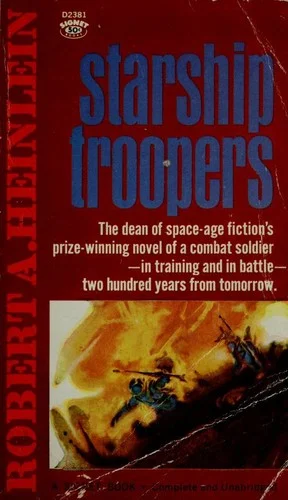
Starship Troopers - Robert A. Heinlein
The movie was much better than this, which is not a sentence I get to write often.
Heinlein’s book is essentially a civics lecture with occasional combat, and the lecturing wins on points. Whole chapters are Mr. Dubois or one instructor or another explaining why the franchise should belong only to those who’ve served, why corporal punishment is rational, why this arrangement is the only stable one. Rico spends most of the book being told things and agreeing. The Bugs are barely present as an enemy; they’re there to justify the argument.
Verhoeven took the same material, played it completely straight on the surface, and made it obvious what it was, all the recruitment adverts and the smiling propaganda. He also had the sense to keep it moving. The one thing the book has that the film dropped entirely is the powered armour, and the drop sequences are genuinely good. The rest of it I could leave.
“Violence, naked force, has settled more issues in history than has any other factor.”
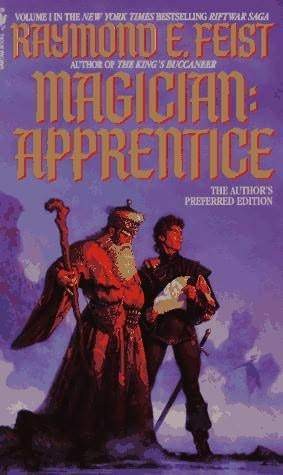
Magician: Apprentice - Raymond E. Feist
I first read this as a young man and it’s the book that got me into fantasy properly. Coming back to it, Apprentice holds up better than I expected. Crydee, the kitchen boy chosen by Kulgan at the Choosing, Pug and Tomas heading off in completely opposite directions, and then the rift opening and the Tsurani arriving to turn a coming of age story into a war. Feist is very good at the small stuff: the castle, the household, the sense of a place with actual routines before any of it gets torn up.
It does carry the tropes though, and it carries all of them. The orphan of hidden importance, the gruff mentor, the princess, the elves and dwarves lifted more or less intact off Tolkien’s shelf. You can see the Dungeons and Dragons campaign it grew out of showing through the floorboards. Still, it earns its reputation.
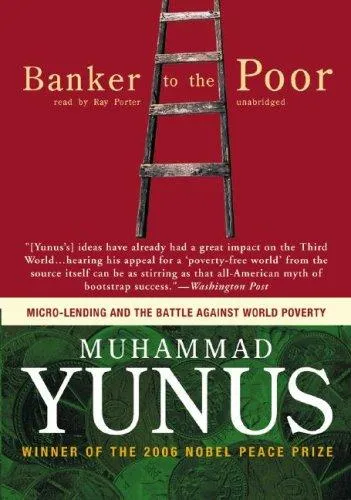
Banker to the Poor - Muhammad Yunus
Great read, and a proper insight into what small loans to the poor can actually do. Yunus starts as an economics professor in Chittagong, teaching elegant theory while a famine goes on outside the window, and decides the theory is useless if it can’t explain the village down the road. He walks into Jobra, works out that forty two people are trapped by a total of twenty seven dollars of debt to moneylenders, lends it to them out of his own pocket, and gets it all back.
The rest of the book is him spending years being told by every bank in the country that the poor are not creditworthy, and slowly proving the opposite: no collateral, group lending where the group carries the risk, tiny sums, lending overwhelmingly to women because the money goes further and comes back more reliably. The insight that stuck with me is that credit is treated as something you qualify for by already having money, and that this is a choice rather than a law of nature.
Worth reading alongside the criticism microfinance has picked up since, some of which is fair. Yunus is writing as an advocate and it shows. But the core observation, that the barrier was never the poor’s ability to repay, holds up.
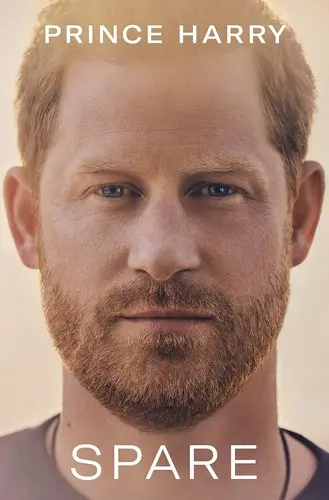
Spare - Prince Harry, The Duke of Sussex
Utter wank.
Poor lad, brought up rich. Silver spoon to silver spoon, with a book deal at the end of it. There’s a real story buried somewhere in here, a boy who lost his mother at twelve and was made to walk behind her coffin in front of the world, and every so often it surfaces and you feel for him. Then it’s back to the frostbite, the score settling over bedroom allocations, and the sheer volume of detail nobody needed.
The bit he never sees is that the entire book depends on the thing he says he’s escaping. Nobody publishes this if he isn’t a prince. He’ll never leave the royals alone, because they’re the whole product. I’m sure there’ll be a Spare 2.
“I was the shadow, the support, the Plan B.”
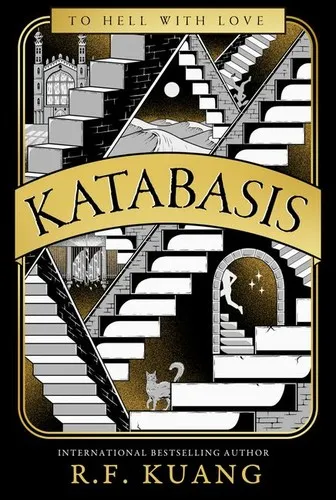
Excellent premise, terrible execution. Two graduate students descend into Hell to retrieve the soul of their dead supervisor, chasing the one letter of recommendation only he can write: a wonderful setup, dark academia followed all the way down. The magic built on logic and paradox is a clever idea in its own right. The execution simply never lives up to any of it. It buckles under the weight of its own cleverness, and by the end the promise of that opening had long worn thin. An author I’ll probably avoid in the future.
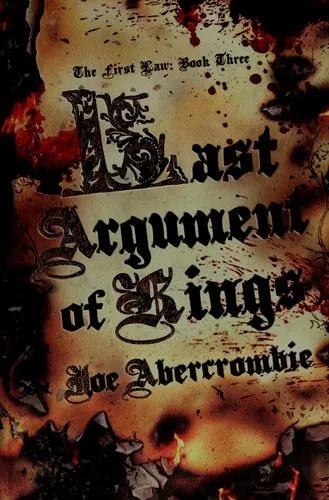
Last Argument of Kings - The First Law #3 - Joe Abercrombie
A quick read to bring the trilogy home. Glokta remains, firmly, one of my favourite characters in anything I’ve read. Crippled, bitter, and sharper than everyone in the room, it’s his internal monologue that carries the whole thing. Abercrombie makes you root for a torturer, which tells you all you need to know about the writing.
“Why do I do this?”
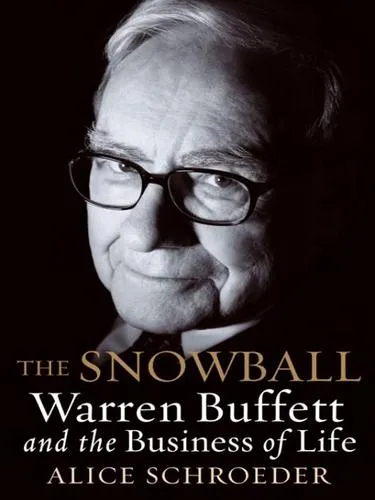
The Snowball - Alice Schroeder
An interesting insight into the life of Buffett, and not the investment advice book people expect it to be. Worth remembering that Buffett didn’t write it either; Alice Schroeder did, with his cooperation, which is what gives it its distance. Not all of it is flattering. His approach to his stepchildren struck me as abhorrent. The more I read about the bridge games he so loved, the more they looked to me like the perfect cover for gathering kompromat, a suspicion the recent Bill Gates testimony did nothing to soften.
“Life is like a snowball. The important thing is finding wet snow and a really long hill.”
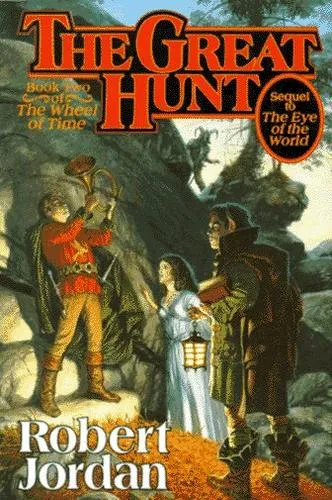
The Great Hunt - Robert Jordan
The Wheel of Time was my favourite series growing up, so returning to The Great Hunt, this time as an audiobook, was a comfort. What struck me on the return is how much this second book excels where The Eye of the World struggled. The first book never quite escaped the shadow of Tolkien, a small group fleeing their village with a dark rider at their backs. The Great Hunt steps out of that shadow and starts telling its own story. The introduction of the Seanchan was the highlight for me: a genuinely unsettling invading power, the leashed damane and their sul’dam giving the world a scale and a menace the first book had only hinted at.
Everything Is Tuberculosis - John Green
A compelling and urgent read. Published recently in March 2025, it is a much newer release than its historical subject matter might initially suggest, and its timeliness makes its message all the more resonant.
Green writes not as a medical expert, but as a passionate advocate and a masterful storyteller. He makes complex public health issues highly accessible and profoundly moving, successfully delivering a stark reminder that humanity possesses the tools to eradicate TB, but currently lacks the collective will. It is a powerful, eye-opening read that leaves a lasting impact.
“Yes, I know, it’s just one patient. There are so many patients, and Henry is just one. Why should we move mountains to save one patient? Because he is one person. A person, you understand?”
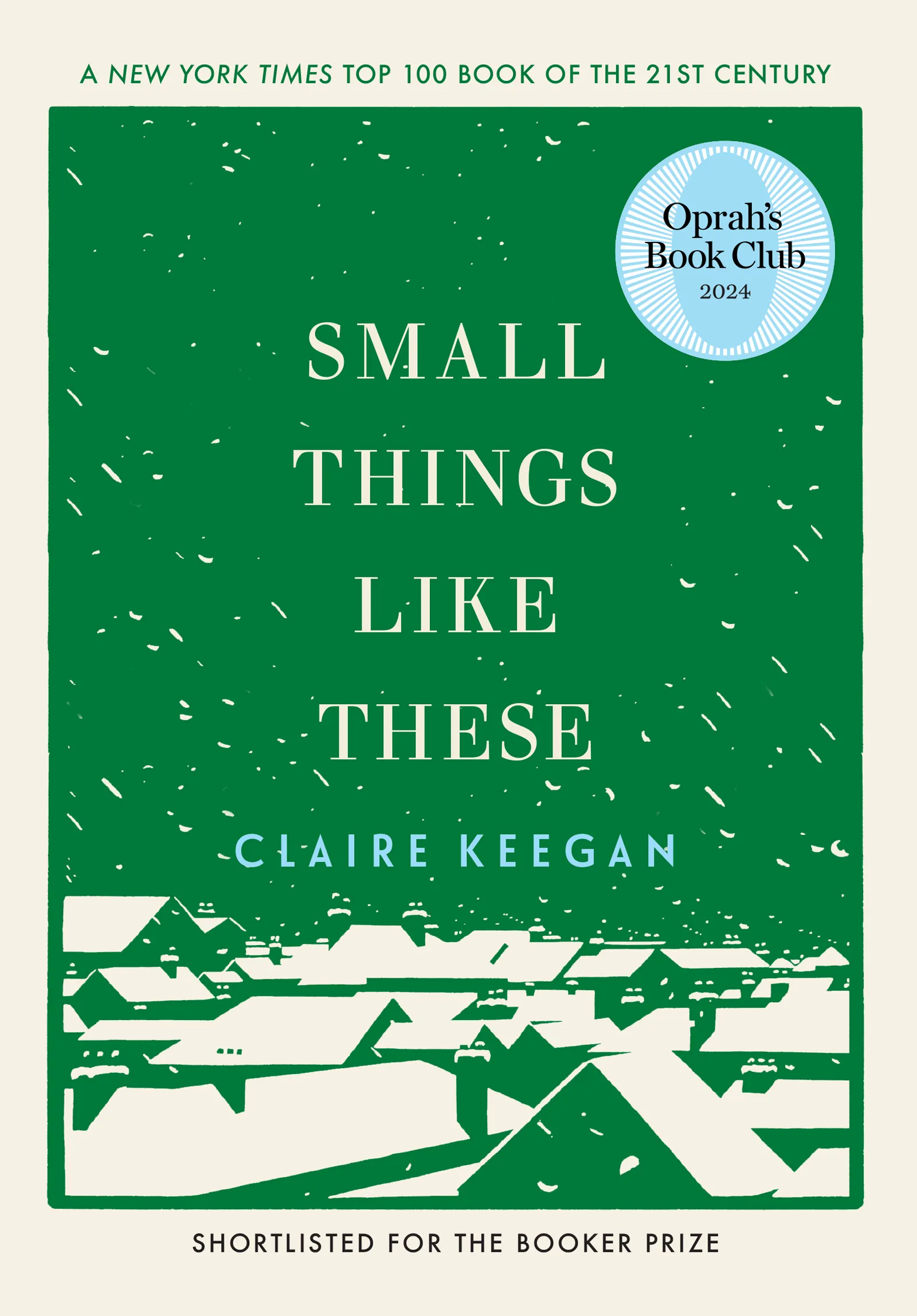
Small Things Like These - Claire Keegan
In a culture historically defined by what is left unsaid, her sparse prose speaks volumes. What would I have done? Would I have looked the other way to protect my own? I grew up in Ireland during this time, beside a convent. The book hit a nerve.
“As they carried on along and met more people Furlong did and did not know, he found himself asking was there any point in being alive without helping one another? Was it possible to carry on along through all the years, the decades, through an entire life, without once being brave enough to go against what was there and yet call yourself a Christian, and face yourself in the mirror?”
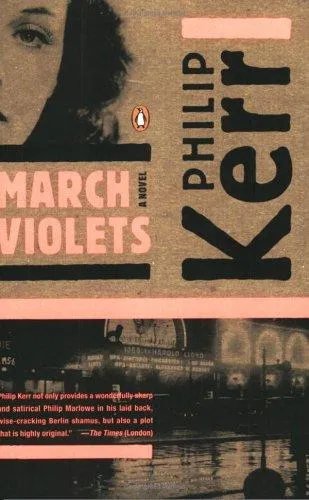
Kerr brings 1936 Berlin to life with chilling, gritty detail. You can feel the tension, paranoia, and shadow of the Nazi party looming over every street corner. I’m not sure i’ll continue on the series.
“I made an appointment to see him and then ordered another beer. While I was drinking it I did some doodling on a piece of paper, the algebraic kind that you hope will help you think more clearly. When I finished doing that, I was more confused than ever. Algebra was never my strong subject.”
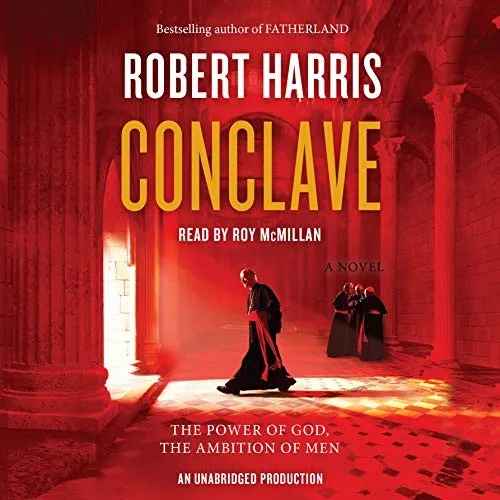
Robert Harris does a brilliant job of making the complex traditions of the Church easy to understand, turning them into a high-stakes puzzle. Smart, highly entertaining, and keeps you guessing right up until the shocking final twist. Highly recommended for anyone who loves a clever, character-driven drama.
“Any man who is truly worthy must consider himself unworthy.”
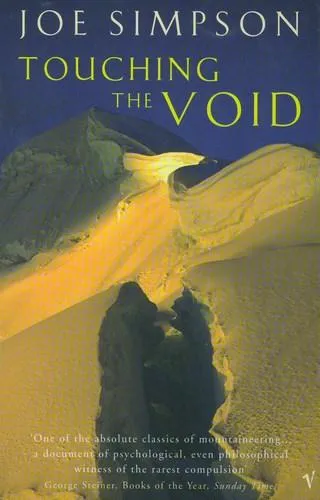
Touching the void - Joe Simpson
Great read. He’s a natural storyteller. You have one man suspended in the void, calmly resigning himself to his fate, while the other is pushed past his absolute physical limits, forced to make the agonizing choice to cut the rope to survive. It’s a stark reminder that high-altitude climbing is brutally unforgiving.
“There was no sudden flash of a whole life passing before me, no dramatic climax. Just a cold, rational acceptance that I was going to die.”
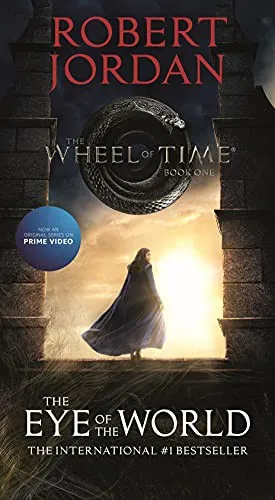
Wheel of Time #1 - Robert Jordan
I’ve read this book too many often, this time, in an audiobook as I drift off to sleep.
“The Wheel of Time turns, and Ages come and pass, leaving memories that become legend. Legend fades to myth, and even myth is long forgotten when the Age that gave it birth comes again.”
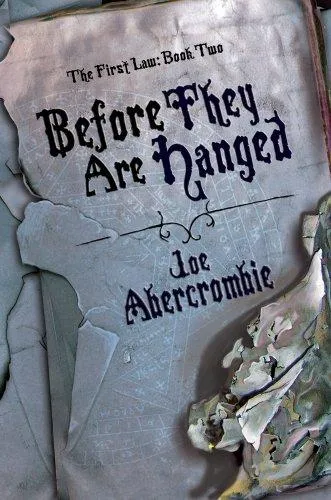
Before They Are Hanged - The First Law #2 - Joe Abercrombie
A nice sequel to The First Law. The characters seem like old friends at this point, though not the most trustworthy of friends.
“We should forgive our enemies, but not before they are hanged.”
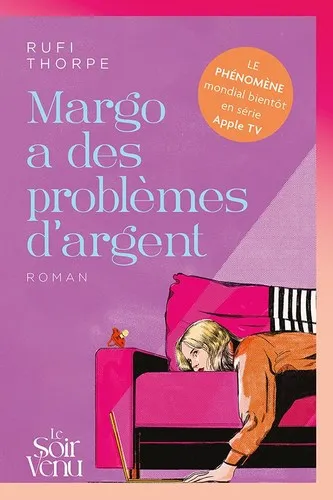
Margo’s Got Money Troubles - Rufi Thorpe
A fun read. Quite enjoyable.
“Love was not something, I realized, that came to you from outside. I had always thought that love was supposed to come from other people, and somehow, I was failing to catch the crumbs of it, failing to eat them, and I went around belly empty and desperate. I didn’t know that love was supposed to come from within me, and that as long as I loved others, the strength and warmth of that love would fill me, make me strong.”
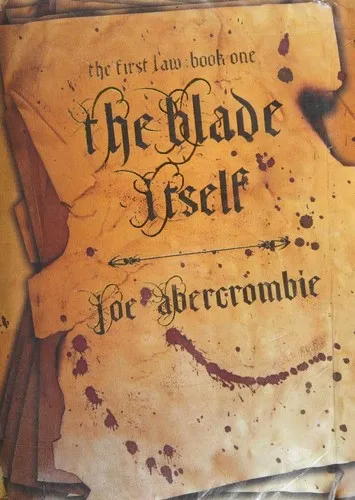
The First Law #1 - The Blade Itself by Joe Abercrombie
I find myelf repeating this on a regular basis:
“Stairs. Why does it always have to be stairs?”
True words indeed:
“The more a man has, the more he has to lose. And the more he has to lose, the more easily he can be led.”
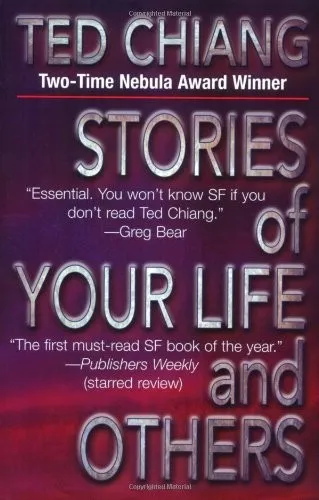
Stories of Your Life and Others – Ted Chiang
Wonderful book; some really nice short stories. I especially liked Story of Your Life which is the short story that led to the Arrival movie. Huge fan.
“Similarly, knowledge of the future was incompatible with free will. What made it possible for me to exercise freedom of choice also made it impossible for me to know the future. Conversely, now that I know the future, I would never act contrary to that future, including telling others what I know: those who know the future don’t talk about it.”
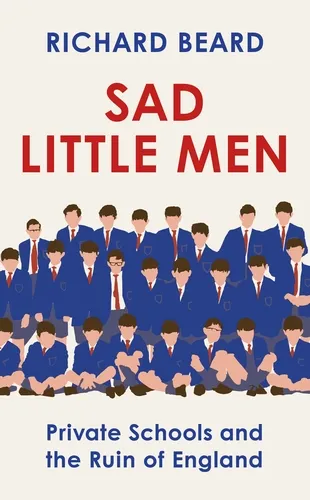
Sad Little Men - Richard Beard
Disappointing and self-indulgent. The book is bogged down by repetitive descriptions of his lockdown ramblings and hyperbolic comparisons between public schoolboys and authoritarian figures. If it’s a memoir he wants to write then he should write one. Brood less and carpe diem.
“The first and most important lesson was to not let that show. Being separated from the people who love you is traumatic. How did that feel at the time, and what sort of adult does it mould?”
“We learned to despise the boys who blubbed for their mummies. The cure was to stop crying and forget that life beyond the dormitories and classrooms existed.”
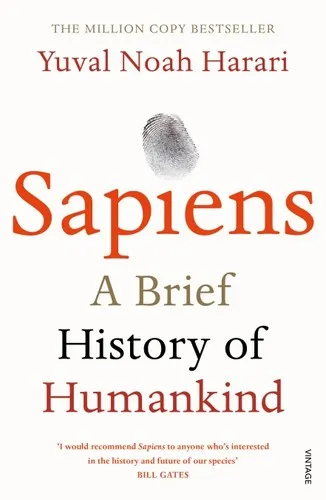
Sapiens: A Brief History of Humankind - Yuval Noah Harari
A fascinating deep dive into what it means to be human, best experienced with fresh air and open trails.
“You could never convince a monkey to give you a banana by promising him limitless bananas after death in monkey heaven.”
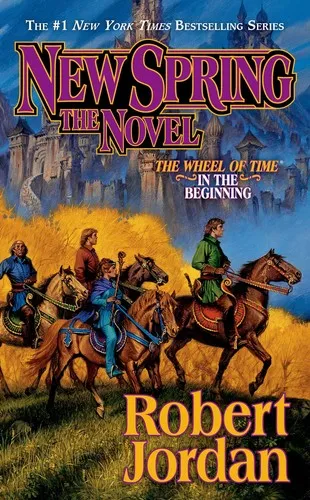
Returning to the land of Jordan for the final time. This time via audiobook.
“He was swimming in a sea of other people’s expectations. Men had drowned in seas like that.”
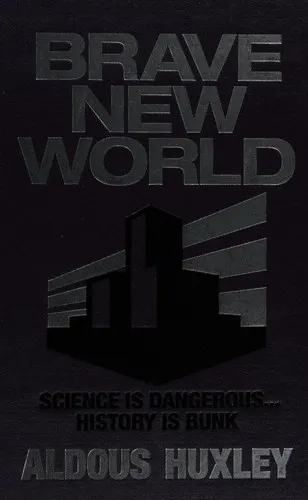
Brave New World - Aldous Huxley
Conceptually brilliant, but emotionally flat. His vision of a future controlled by pleasure rather than pain is fascinating and terrifyingly relevant now more so than ever before. Essential reading but I just couldn’t fall in love with the story. Was a struggle to complete
“…Most men and women will grow up to love their servitude and will never dream of revolution.”